
Everybody loves the idea of natural mosquito control. Fewer harsh-sounding products. More peace of mind around kids, pets, patios, and pollinator plants. Fair enough.
But here is the truth: some natural mosquito control methods help a lot, some help a little, and some are all hat and no cattle.
If you are in Austin, that difference matters. Warm weather, rain, irrigation, shaded yards, and nearby breeding spots can turn a nice backyard into a mosquito hangout fast. So if you want a lower-toxicity approach, the best move is not wishful thinking. It is knowing what works, what has limits, and when it is time to call a company that offers mosquito control in Austin.
We provide expert mosquito control across Austin, Dripping Springs, Bee Cave, Lakeway, Round Rock, Buda, and Kyle. Protect your home today!
What “natural mosquito control” usually means
Most people are talking about one of four things when they search for natural mosquito control: getting rid of breeding spots, using physical barriers, trying plant-based repellents, or choosing lower-toxicity products for standing water that cannot be dumped.
That is a smart place to start. The CDC home mosquito guidance puts standing water removal first because mosquitoes need water to lay eggs, and even small containers can keep the cycle going.
So right away, the best natural method is not some trendy gadget. It is cutting off the mosquito nursery.
The first step that matters most: stop breeding before it starts
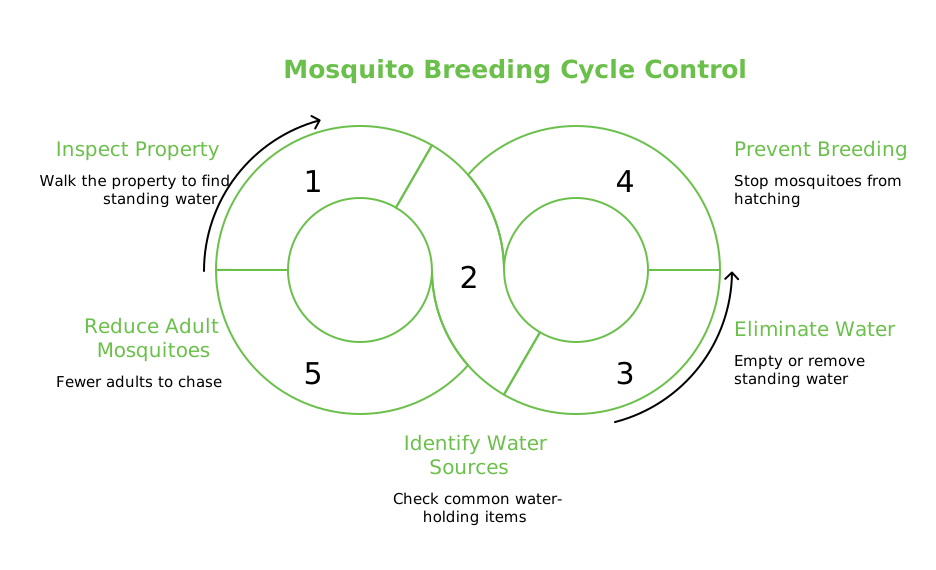
If you only do one thing, make it this one. Walk the property and look for water that sits longer than it should.
That means checking:
- buckets
- kids’ toys
- plant saucers
- tarps
- clogged gutters
- birdbaths
- rain barrels
- low spots in the yard
The City of Austin’s vector control page says mosquitoes can breed in standing water around homes and businesses, which is why regular cleanup matters so much after rain.
This is where natural control beats a lot of store-bought promises. If mosquitoes never get a place to hatch, you are not spending every week trying to chase adults around the yard.
Physical barriers can help more than people think
Some lower-chemical mosquito control is plain old common sense. Keep them from reaching you in the first place.
Screens, sealed gaps, and well-fitted doors help keep mosquitoes out of indoor spaces. For patios and seating areas, moving air helps too. Mosquitoes are weak fliers, so fans can make a small outdoor zone less comfortable for them and more comfortable for you.
For personal protection, the CDC prevention guide says EPA-registered repellents are the way to go, including products with oil of lemon eucalyptus or PMD, which are plant-derived actives. That does not mean every “natural” oil blend on a store shelf works the same way. It means some ingredients have better backing than others.
That is the part a lot of folks miss. Natural-sounding is not the same thing as proven.
What about mosquito-repellent plants, candles, and gadgets?
This is where expectations need a little tune-up.
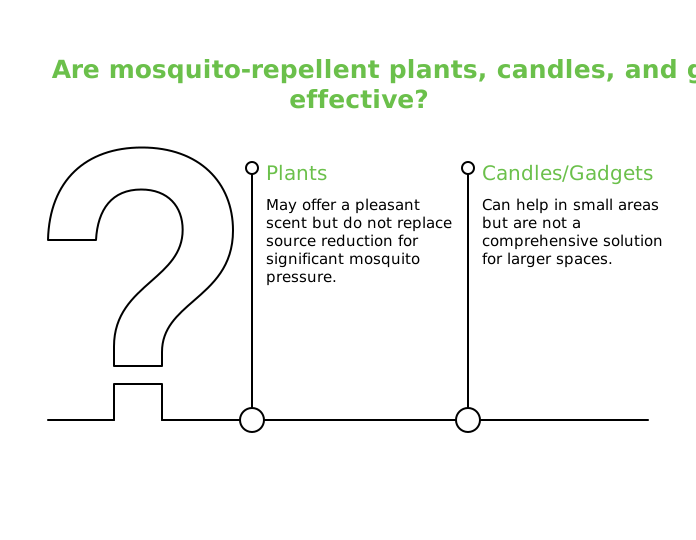
People love the idea that a few plants on the patio will keep mosquitoes away. The problem is that yard-level mosquito pressure in Austin usually comes from moisture, shade, and nearby breeding sites, not just a lack of fragrant greenery. A plant may smell nice. It does not replace source reduction.
Citronella candles, clip-on gadgets, bracelets, and similar products may help in very small situations, but they usually do not solve a real mosquito problem across a whole yard, business entry, dog run, or apartment common area. If your space is already getting hammered at dusk, these are usually backup players, not starters.
That does not mean they are useless. It just means they should not be sold as the whole answer.
Lower-toxicity help for water that cannot be drained
Sometimes water cannot be dumped. Maybe it is a rain barrel, a drainage feature, or another spot that keeps collecting water. In those cases, a targeted larval control can make sense.
The EPA page on Bti explains that Bti is used to control mosquito larvae in water and is valued because it targets larvae rather than trying to knock down every adult mosquito after the fact.
That is one reason Bti gets talked about so much in natural mosquito conversations. It is not a magic fix for every yard, but it can be a good fit when the real issue is a repeat water source that keeps feeding the problem.
Still, placement matters. Timing matters. And if the water source is not the only one feeding your yard, you may still have adult mosquitoes coming in from somewhere else.
Why natural-only mosquito control can fall short in Austin
Austin yards are not sealed bubbles. You may do a solid job on your own property and still deal with mosquitoes coming from a neighbor’s standing water, nearby brush, drainage areas, or other shaded pockets.
The Texas A&M AgriLife mosquito guide notes that source reduction is key, but it also explains that mosquito control around the home often needs more than one tactic because adults can rest in shaded areas and breeding spots are not always easy to find.
That is why natural methods are best seen as the first layer, not always the finish line.
For some Austin homes and businesses, those first steps may be enough. For others, especially after rain or during heavy mosquito season, they may only take the edge off.
When professional mosquito control becomes the smarter move
If mosquitoes are keeping your family off the patio, driving customers away from an outdoor space, or turning every evening dog walk into a swatting contest, it is probably time for a stronger plan.
A pro can inspect the property, spot the zones that hold moisture and shade, look for breeding sources you may have missed, and build a treatment plan around how the space is actually used. That matters for homes, restaurants, office entries, apartment communities, and other places where people need the outdoors to be usable.
And let’s be honest: most people searching “natural mosquito control” are not looking for a science project. They are looking for relief.
That is where BrockStar can step in with a plan that respects your concerns, keeps the process practical, and gives you a better shot at taking your yard back.
See what our happy customers are saying! Read real reviews and discover why homeowners trust us.
Want help when natural methods are not cutting it?
If mosquitoes are still running the show, check out BrockStar’s mosquito control in Austin and see how a professional plan can help protect patios, yards, and outdoor gathering spots without all the guesswork.
FAQ
1. What is the most natural way to reduce mosquitoes around a home?
The most natural first step is removing standing water, because that stops mosquitoes before they hatch. If the property keeps collecting water, that is usually where the problem starts.
2. Do mosquito-repellent plants really work?
They can be part of the picture, but they usually do not solve a real mosquito problem by themselves. In most Austin yards, plants are not a substitute for removing breeding spots and lowering mosquito pressure where it begins.
3. Are natural mosquito methods enough for Austin summers?
Sometimes, but not always. In lighter-pressure situations, cleanup, barriers, and proven repellents may help a lot. In tougher conditions, natural-only steps may not give enough relief to make patios, yards, or business exteriors comfortable again.
4. Is professional mosquito control still worth it if I want a lower-toxicity approach?
Yes. A good mosquito plan does not have to ignore your concerns. It should start with inspection, habitat review, and practical ways to cut mosquito activity down instead of just hoping a candle or spray bottle will save the day.
5. Does BrockStar offer mosquito control for both homes and businesses in Austin?
Yes. We offer mosquito control as one of our core services for Austin-area properties. That makes us a strong option when source reduction helps but does not solve the full problem.