
Everybody wants a simple mosquito fix. Buy one thing. Spray one thing. Win the backyard back by dinner.
That is not usually how mosquito control in Austin works.
If you want DIY mosquito control to work, you need a plan that follows the mosquito life cycle. That means stopping breeding first, dealing with water you cannot remove, and only then thinking about adult mosquito control. Skip one of those layers, and you can spend time and money without getting much relief.
This playbook gives Austin homeowners, renters, and property managers a practical starting point. It also tells the truth: some properties outgrow DIY fast.
We provide expert mosquito control across Austin, Dripping Springs, Bee Cave, Lakeway, Round Rock, Buda, and Kyle. Protect your home today!
Start with the right order: prevention first, then larva control, then adult control
The CDC home mosquito guidance puts standing water cleanup first because mosquitoes need water to lay eggs and complete their life cycle.
That is the part people often rush past. They want to fight the flying adults they can see, but the stronger DIY win usually starts where mosquitoes begin.
A simple way to think about it is this:
- Prevention and habitat reduction lower the number of places mosquitoes can breed and rest.
- Larva control helps with water you cannot dump or cover.
- Adult control can help reduce active pressure in problem spots, but it works best after the first two layers are already in place.
Step 1: Prevention and habitat reduction
This is the backbone of any DIY mosquito plan.
The City of Austin mosquito page warns that mosquitoes can breed in very small amounts of standing water around homes and neighborhoods. That is why small cleanup steps matter more than people think.
Weekly standing-water checklist
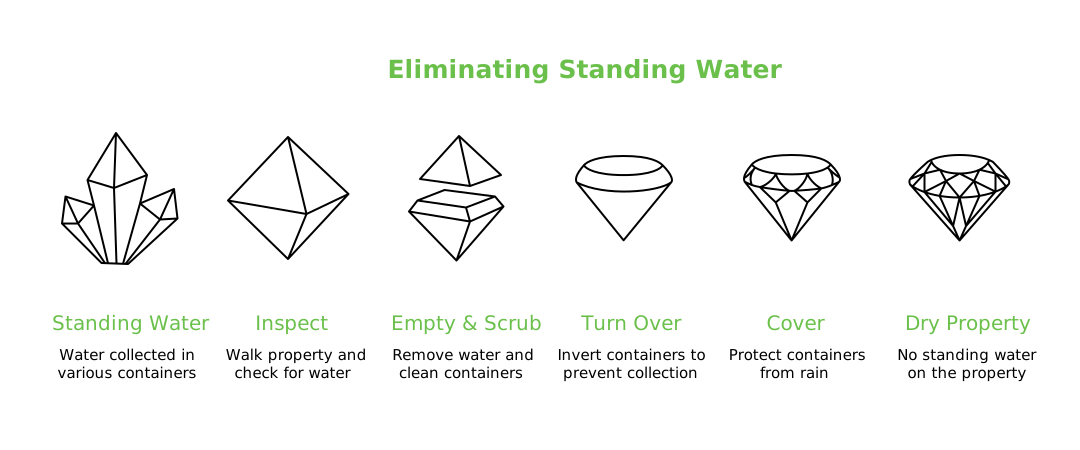
Once a week, walk the property and check:
- buckets
- flowerpot saucers
- toys
- tarps
- birdbaths
- trash can lids
- wheelbarrows
- clogged gutters
- plant trays
- low spots in the yard
The goal is simple: empty it, scrub it, turn it over, cover it, or get rid of it.
Water that has to stay
Some water sources cannot just be dumped. Rain barrels, certain drains, and stored water containers may need to stay in place.
In those cases, the goal is to block access. The EPA guidance on Bti and mosquito control explains that certain mosquito larva control tools are designed for standing water where larvae develop, which matters when the water source is not going away.
Reduce shady resting areas
Mosquitoes do not just breed in water. Adult mosquitoes also rest in cool, damp, protected places during the day.
The Texas A&M AgriLife backyard mosquito guide explains that control works better when you address both breeding sites and adult resting areas. That means trimming dense shrubs, clearing leaf buildup, opening airflow around patios, and cutting back clutter in damp corners.
Step 2: Larva control for water you cannot eliminate
This is where a lot of DIY plans either get smarter or fall apart.
If water keeps collecting in a place that cannot be dumped, larva control can help stop mosquitoes before they hatch. The CDC larvicide guidance says larvicides work by targeting mosquito larvae in water and can be applied by hand to small water sources.
That makes this step useful for repeat problem spots, but it is not a substitute for cleanup. If you can remove the water, remove the water. If you cannot, then a larva-control step may make sense.
The biggest DIY mistake here is acting like larva control solves the whole property. It does not. It only helps where larvae are developing.
Step 3: Adult mosquito control when pressure is still high
Once the yard is cleaner and standing water is under control, adult mosquito control can make more sense.
This is where expectations matter. Adult control is not magic. It is one layer.
The UF/IFAS mosquito yard guidance notes that adult mosquitoes often rest in vegetation and shaded areas, which helps explain why targeted attention to those zones matters more than broad, random spraying.
For DIY, that means focusing on where mosquitoes actually hang out:
- dense shrubs
- shaded fence lines
- under decks
- damp corners
- patio edges near thick plants
If you go straight to adult control without fixing the water and habitat side first, you are usually buying short-term relief at best.
DIY plans by budget and yard condition
Not every Austin property needs the same playbook. A small rental patio setup is different from a heavily shaded backyard or a multi-unit common area.
| Situation | Best DIY focus | What to expect |
|---|---|---|
| Low-budget plan | Weekly water cleanup, basic yard check, personal protection | Helpful for light pressure and smaller spaces |
| Mid-budget plan | Add larva control for repeat water sources and trim mosquito resting zones | Better for yards with a few repeat problem spots |
| High-pressure yard plan | Full cleanup, larva control, habitat reduction, and targeted adult control | May still fall short if pressure comes from nearby properties or drainage |
A low-budget plan can still help a lot if the main issue is standing water and a few neglected spots. A mid-budget plan works better when you have one or two problem areas that keep coming back. A high-pressure yard usually needs more time, more consistency, and sometimes more than DIY can realistically deliver.
A weekly Austin mosquito routine that is actually doable
DIY falls apart when the plan is too big to repeat.
Here is a more realistic weekly rhythm:
- Once a week: walk the yard and remove standing water.
- After rain: check low spots, gutters, tarps, and containers within 24 hours.
- During peak season: keep repellent handy, use screens and fans where possible, and watch for new wet areas.
The Austin Public Health bite-prevention toolkit continues to stress repellent, source reduction, and protective habits during mosquito season, which is why DIY works best when you treat it like a routine instead of a one-time project.
When DIY is not enough
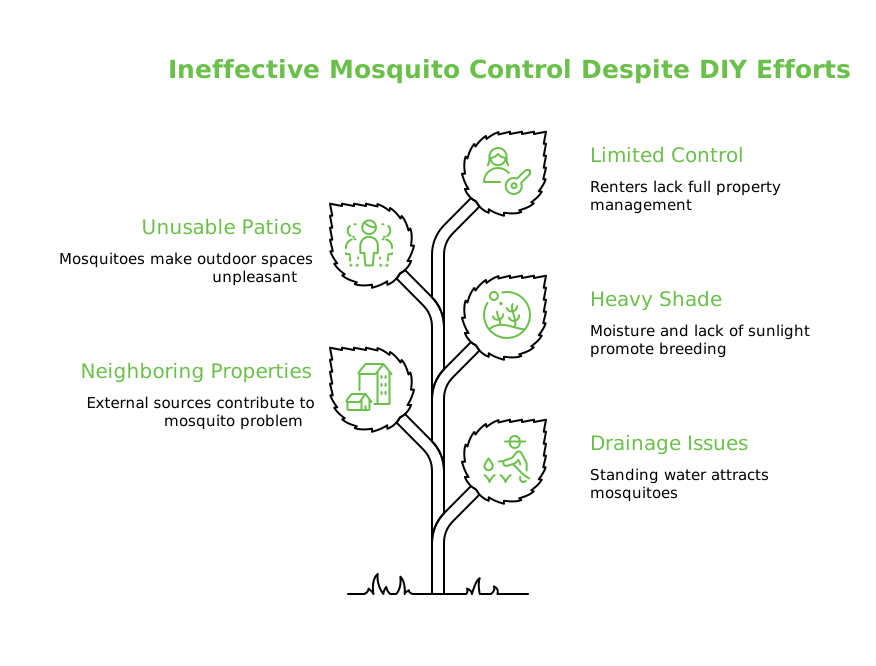
This is where a lot of people get stuck. They are doing the right things, but the results are still weak.
That usually happens when:
- the yard has repeat drainage issues
- nearby properties are feeding the problem
- the space has heavy shade and moisture
- patios stay unusable at dusk
- renters or managers cannot control the full property
That last one matters. Renters and property managers often have less control over the whole mosquito picture. Shared courtyards, common drainage, neighboring units, and nearby standing water can make DIY feel like bailing water with a coffee cup.
When professional mosquito control becomes the better solution
A professional plan can do what most DIY setups cannot: inspect the whole property, track likely breeding sources, identify adult resting zones, and build a treatment plan around how the space is used.
That matters when you have a yard that keeps rebounding, a rental property with shared outdoor areas, or a home where the patio, dog run, or play space stays uncomfortable even after cleanup.
And let’s be honest. Most people are not looking for a new weekend hobby. They are looking for fewer bites.
That is where BrockStar can help. Mosquito control is one of BrockStar’s core service lines for Austin-area residential and commercial properties, which makes it a strong next step when a DIY plan is not getting you where you need to be.
See what our happy customers are saying! Read real reviews and discover why homeowners trust us.
Need help when DIY is not cutting it?
If your mosquito routine is starting to feel like too much work for too little payoff, take a look at BrockStar’s mosquito control in Austin to see how a professional plan can help protect patios, yards, and shared outdoor spaces.
FAQ
1. What is the best DIY mosquito control plan for a small Austin yard?
Start with a weekly standing-water check, trim back dense resting spots, and use personal protection while you lower pressure around the property. Small yards are often easier to improve, but they can still get hit by mosquitoes coming from nearby lots.
2. Can I control mosquitoes on a budget?
Yes, especially if the main problem is standing water and a few obvious habitat issues. A low-budget plan focused on cleanup and weekly prevention can help a lot before you spend money on more products.
3. Are larva-control products better than adult sprays?
They do a different job. Larva control helps stop mosquitoes before they hatch in standing water, while adult control targets mosquitoes that are already active. The best results usually come from combining both only when the yard conditions call for it.
4. How often should I do mosquito prevention in Austin?
Weekly is a smart baseline, with extra checks after rain or heavy irrigation. In Austin, mosquito prevention works better as a routine than as a one-time cleanup day.
5. When should I stop DIY and call a pro?
If you are staying consistent with cleanup, habitat reduction, and bite prevention but the yard still feels rough at dusk, it is probably time. We offer mosquito control as a core service in Austin, which makes us a strong option when DIY only gets you part of the way.