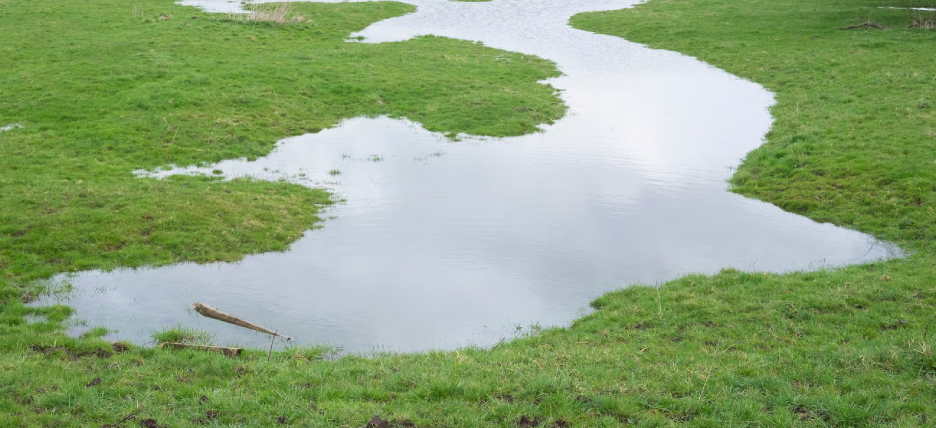
Around Austin, mosquito problems usually start long before you hear that first buzz near the patio. For property owners searching for Mosquito Control Austin, the real issue often starts in standing water.
That is the big reason larvicides matter. They help stop mosquitoes in the water, before they grow into biting adults. For homeowners, HOAs, and local businesses, that means fewer mosquitoes around yards, entryways, outdoor seating areas, and shared spaces.
According to the City of Austin’s mosquito guidance, mosquitoes breed fast in standing water, can lay hundreds of eggs in just a few days, and breeding spots should be emptied, scrubbed, turned over, covered, or thrown out once a week.
We provide expert mosquito control across Austin, Dripping Springs, Bee Cave, Lakeway, Round Rock, Buda, and Kyle. Protect your home today!
Why standing water is where the problem starts
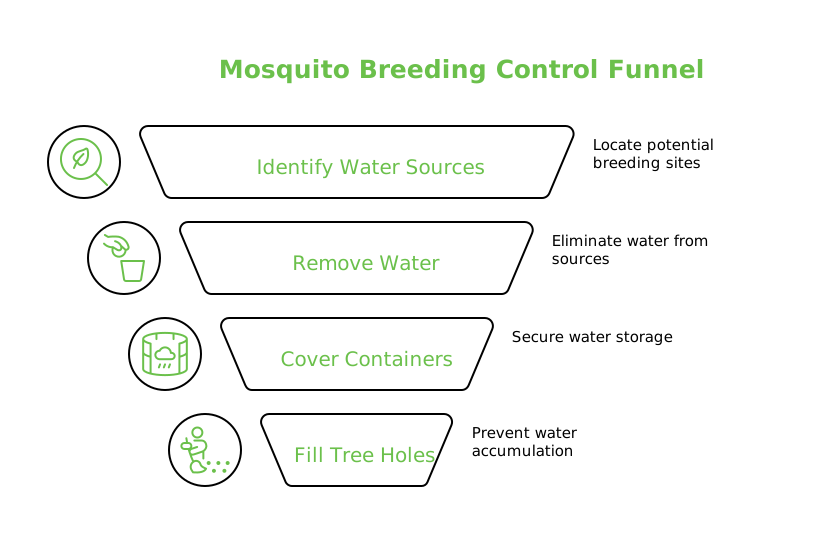
Mosquitoes do not need a big pond to get going. A bucket behind the shed, a clogged gutter, a flowerpot saucer, a rain barrel, a birdbath, or water caught on a pool cover can be enough.
That is why standing water control is step one. If you remove the water, you remove the nursery.
Here in Austin, the usual trouble spots include:
- Buckets and containers left outside
- Planters and flowerpot saucers
- Birdbaths and pet bowls
- Clogged gutters and downspouts
- Kiddie pools and pool covers
- Rain barrels and cisterns
- Old tires
- Tree holes and low spots in the yard
- Trash can lids, tarps, and toys that catch rain
The CDC’s home mosquito control page says to check water-holding items once a week, keep water storage containers tightly covered, use fine mesh when lids are not an option, and fill tree holes so they do not keep collecting water.
What larvicides do
Larvicides are mosquito control products used in water to kill larvae before they become biting adults. They are not the same thing as sprays aimed at flying mosquitoes.
That matters because stopping mosquitoes earlier is often the smarter play. If you can catch them in the breeding stage, you can cut down the next wave before it starts.
The CDC’s larvicide guidance explains that larvicides can be used by homeowners or pros to kill mosquito larvae and pupae, and that common treatment areas include buckets, rain barrels, fountains, gutters, downspouts, non-chlorinated pools, pool covers, tires, and tree holes.
How Bti works
One of the best-known larvicide options is Bti, short for Bacillus thuringiensis israelensis. It is used in standing water where mosquito larvae are found.
The EPA’s Bti page says Bti is applied to standing water to kill developing mosquito larvae and can be used around homes in places where water collects, such as flowerpots, tires, and birdbaths. The same source also notes that Bti can be used in larger water areas like ponds, lakes, rivers, streams, and irrigation ditches when the product label allows it.
Here is the plain-English version: Bti works on the larvae stage. It does not knock down the adult mosquitoes already flying around your yard.
Where larvicides can be used
Larvicides make the most sense when water cannot be dumped, drained, or covered.
That can include:
- Rain barrels n- Decorative fountains
- Water-holding gutters or drain areas
- Tree holes
- Non-chlorinated pools
- Pool covers that stay wet
- Certain pond edges or drainage spots
- Containers that keep collecting water after rain
For Austin properties, that is a big deal after storms and during warm stretches when water lingers in shaded spots.
Where larvicides should not be used
Larvicides are not a free-for-all. They should not be tossed into every water source just because it looks suspicious.
The main rule is simple: use them only where the product label says they can be used. The CDC says larvicides are for standing water that will not be used for drinking and cannot be covered, dumped, or removed. That means label directions and the type of water both matter.
If the water can be poured out, cleaned, screened, or fixed at the source, that is usually the better move.
How often should breeding sites be checked?
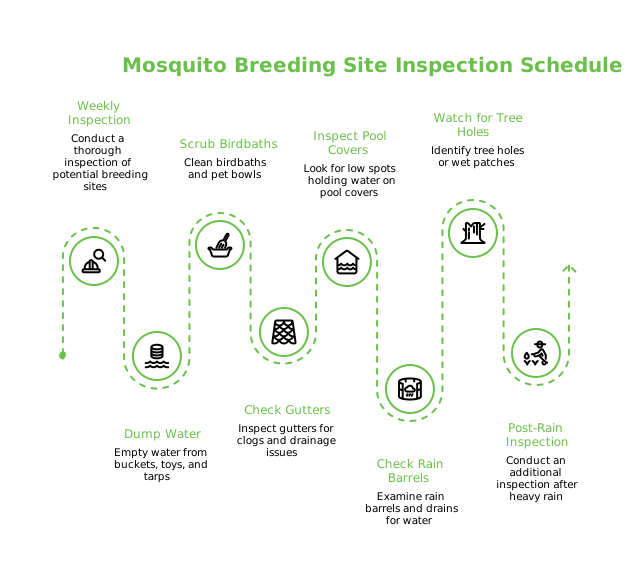
At least once a week.
That weekly rhythm matters in Austin because heat and rain can turn a small water source into a mosquito hatch-out spot fast. After a heavy rain, it is smart to do another walkthrough instead of waiting for the next weekend.
Texas A&M AgriLife notes in its mosquito season guidance that standing water should be drained when possible and that dunk larvicides can help when water cannot be removed.
A good weekly checklist looks like this:
- Dump water from buckets, toys, tarps, and plant saucers
- Scrub birdbaths and pet bowls before refilling
- Check gutters for clogs and slow drainage
- Look at pool covers for low spots holding water
- Check rain barrels, drains, and shaded corners of the yard
- Watch for tree holes or low patches that stay wet
- Pay extra attention after rain
DIY or call a pro?
Some mosquito breeding spots are easy to handle on your own. If you can see the source, empty it, clean it, and keep it from filling back up, you may be in good shape.
But recurring mosquito pressure is a different story.
If your property has drainage issues, heavy shade, tricky water-holding spots, shared outdoor areas, or mosquitoes that keep coming back even after cleanup, a pro can help find the hidden sources and build a treatment plan that fits the property.
For commercial spaces, apartment communities, and larger yards, that extra set of trained eyes can save a lot of frustration.
See what our happy customers are saying! Read real reviews and discover why homeowners trust us.
BrockStar’s Mosquito Control Service in Austin
If mosquitoes keep showing up around your home or business, BrockStar is here to help Keep’n it Local.
Our mosquito control service is built for Austin properties that deal with standing water, repeat breeding spots, and warm-weather mosquito pressure that will not quit. We help identify problem areas, treat where needed, and cut down the places mosquitoes use to start the next generation.
Whether you are looking after a family yard, a shared community space, or a commercial property, BrockStar brings local know-how, friendly service, and a plan that makes sense for your space.
Ready to get ahead of mosquitoes? Contact BrockStar’s for Mosquito Control in Austin. Let’s take back your yard.
FAQ
1. Do larvicides kill adult mosquitoes?
No. Larvicides work in water on mosquito larvae before they become biting adults. If adult mosquitoes are already active around the property, you may need a broader mosquito control plan.
2. Is Bti a spray for the whole yard?
Not usually. Bti is mainly used in standing water where mosquito larvae are developing, not as a blanket yard spray for adult mosquitoes.
3. Can larvicides be used in every kind of standing water?
No. Product labels matter. Some larvicides are used only in certain water types, and the CDC says homeowners should use them in standing water that will not be used for drinking and cannot be dumped, covered, or removed.
4. How often should I check my property for mosquito breeding spots in Austin?
Once a week is the baseline, and after rain is even better. That routine helps you catch new water sources before they turn into a bigger mosquito problem.
5. When should I call BrockStar for mosquito control?
Call when mosquitoes keep coming back, when the source is hard to find, or when your property has drainage and standing-water trouble spots that are tough to manage alone. That is especially common on larger residential lots, commercial sites, and shared outdoor spaces.