
If mosquitoes are ruining evenings on the patio, buzzing around entryways, or making outdoor seating a pain, you’ve probably heard about barrier sprays. Fair question: what are they, what do they do, and how long do they really last in Austin? If you are looking into mosquito control in Austin, understanding how barrier sprays fit into the bigger picture is a smart place to start.
Here’s the plain-English answer. A mosquito barrier spray is a treatment placed on the spots where adult mosquitoes like to hide during the day. It is not magic, and it is not a one-and-done fix. But when it is applied to the right resting areas and paired with smart yard habits, it can make a real difference in how usable your outdoor space feels and support a more effective mosquito control in Austin plan.
We provide expert mosquito control across Austin, Dripping Springs, Bee Cave, Lakeway, Round Rock, Buda, and Kyle. Protect your home today!
What is a mosquito barrier spray?
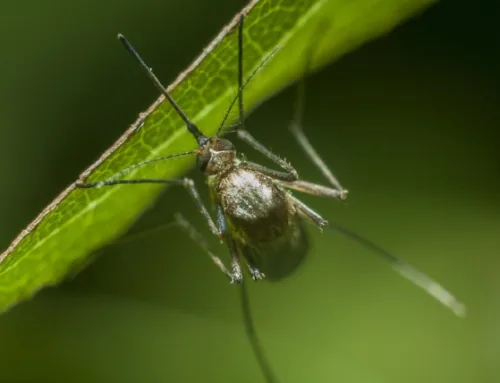
According to the CDC’s guidance on mosquito adulticides, residual mosquito treatments are sprayed onto vegetation and building surfaces, then allowed to dry so mosquitoes are exposed when they land and rest there. In simple terms, that means the treatment is aimed at mosquito hangout spots, not just sprayed randomly across the yard.
That “barrier” usually includes places like:
- dense shrubs
- leaf undersides
- shaded fence lines
- covered patios
- eaves and overhangs
- damp, protected corners near landscaping
In Austin, those resting areas matter because mosquitoes love heat, humidity, and shade. If your property has thick greenery, irrigation, or a lot of sheltered outdoor space, it can give mosquitoes plenty of places to sit between bites.
How barrier sprays work on a real property
Barrier sprays are designed to target the places adult mosquitoes use for shelter. The goal is not to coat every inch of the yard. The goal is to treat the right zones.
A typical service starts with a walk-through of the property. A technician looks for mosquito resting areas, checks the amount of shade and vegetation, and notes anything that may be helping mosquitoes stick around. From there, the treatment is applied to the surfaces most likely to hold resting adults.
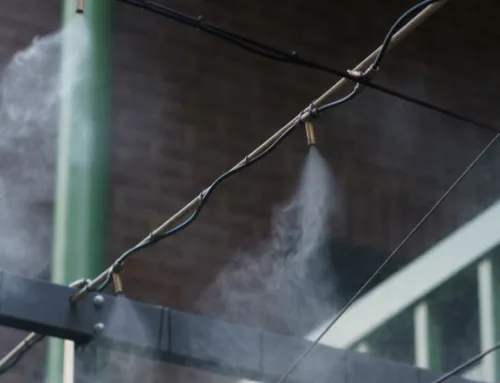
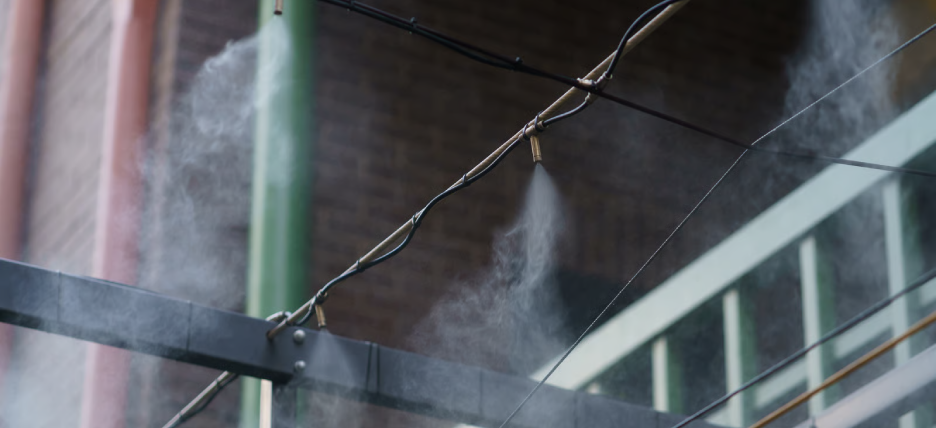
That is one reason barrier sprays are different from quick fogging. Fogging moves through the air. A barrier spray is meant to stay on selected surfaces after it dries, so it keeps working in the areas where mosquitoes settle.
Where mosquito barrier sprays work best
The CDC’s home mosquito control recommendations say outdoor adulticides should be used in the dark, humid places where mosquitoes rest, such as under patio furniture, around garages or carports, and in dense vegetation. That lines up with what we see on Austin properties every day.
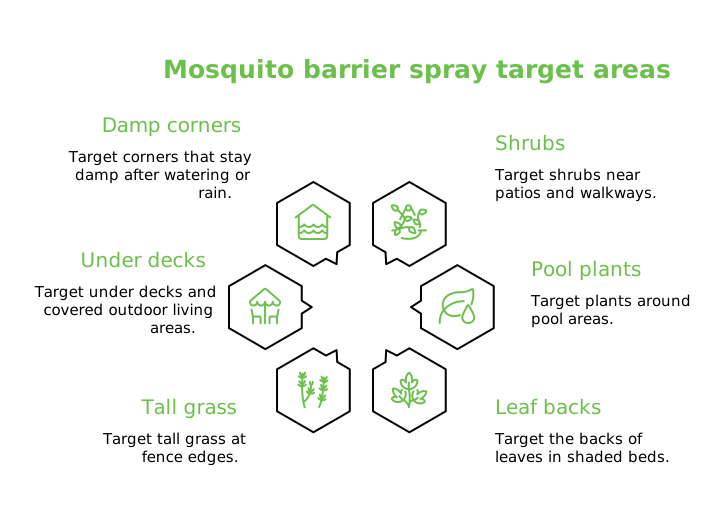
The best target areas often include:
- shrubs near patios and walkways
- plants around pool areas
- the backs of leaves in shaded beds
- tall grass at fence edges
- under decks and covered outdoor living areas
- corners that stay damp after watering or rain
That also means a wide-open yard with little shade may not hold mosquitoes the same way a lush, heavily landscaped yard does. Good treatment plans are based on where mosquitoes are actually hiding, not just on the size of the lot.
How long does a mosquito barrier spray last?
This is where expectations matter.
A mosquito barrier spray does not last forever. In most cases, it needs to be refreshed on a routine schedule during mosquito season. How long it lasts depends on the product used, where it was applied, how much weather it takes, and how much mosquito pressure is around your property.
As a rule of thumb, many barrier spray programs are maintained on a recurring schedule so coverage stays strong through the warm months. That is especially true in Austin, where mosquito season can drag on and outdoor conditions change fast.
What affects how long it lasts?
Several things can shorten or stretch the life of a treatment.
Rain
Heavy rain can wear down treatment faster, especially on exposed plants and surfaces.
Sun and heat
Direct sun and high heat can break down a treatment faster than deep shade.
Yard maintenance
Mowing, trimming, and cutting back vegetation can help reduce mosquito hiding spots overall, but it can also remove some of the treated surfaces if it happens right after service.
Property layout
A shaded yard with thick landscaping gives mosquitoes more places to rest than a bright, open yard. That can affect both mosquito pressure and how much treated surface is needed.
A peer-reviewed PubMed study on bifenthrin-treated vegetation found that rain and sun reduced performance faster in the field, while protected sites held up better. That matters because the same sheltered spots that help a treatment last longer are also the spots mosquitoes often prefer.
Why Austin properties need a bigger mosquito plan
Mosquito control works best when barrier sprays are only one part of the plan.
The City of Austin mosquito page says Austin Public Health tracks mosquitoes from May through November, and it reports West Nile-positive mosquito pools in Austin-Travis County. That local pressure is exactly why many homes and businesses need more than a single treatment if they want more consistent relief.
A stronger mosquito plan usually includes:
- treating mosquito resting areas
- dumping or draining standing water
- cutting back overgrown hiding spots
- keeping gutters and containers from holding water
- using personal protection when mosquito activity is high
Barrier sprays help knock down adult mosquitoes around the property. They do not stop new mosquitoes from hatching in standing water nearby. That is why yard conditions still matter.
What to do before and after treatment
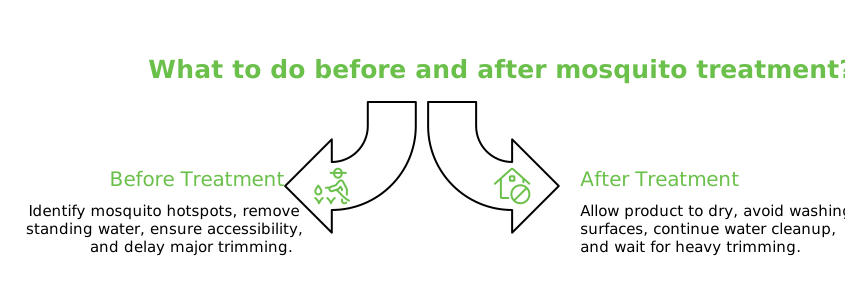
You do not need to overthink prep, but a few simple steps help.
Before treatment
- Point out the areas where mosquitoes are worst
- Empty obvious standing water when you can
- Hold off on major trimming until after the service plan is discussed
- Make sure gates and treatment areas are accessible
After treatment
- Let the product dry as directed before normal yard use
- Avoid washing treated outdoor surfaces right away
- Keep up with standing-water cleanup
- Wait before heavy trimming if those plants were part of the treatment zone
The Texas A&M AgriLife mosquito control guide recommends removing standing water and cutting back mosquito-friendly resting spots around the home, which is why the best results usually come from pairing treatment with simple yard cleanup.
What barrier sprays can and cannot do
Let’s keep this honest.
What they can do
- Reduce adult mosquito activity around treated resting zones
- Make patios, entryways, and outdoor common areas more comfortable
- Support a broader mosquito control program for homes and businesses
What they cannot do
- Eliminate every mosquito in the area
- Stop mosquitoes from flying in from nearby properties
- Replace source reduction, drainage fixes, or routine follow-up
That is also why product directions matter. The EPA’s mosquito label guidance notes that adult mosquito labeling includes recommendations for residual treatment of vegetation and other resting surfaces, which tells you these products are meant to be used with care, on the right sites, and according to the label.
Is a professional mosquito barrier spray worth it?
For a lot of Austin properties, yes, especially when the yard has thick landscaping, shaded seating areas, or ongoing mosquito pressure.
Professional service helps because the treatment is aimed at the spots mosquitoes actually use. It also helps because someone is looking at the full picture, not just spraying and leaving. Standing water, plant density, irrigation patterns, and service timing all matter.
For businesses, barrier sprays can also help protect the comfort of guests, tenants, or staff in outdoor areas. For homeowners, they can make evenings outside feel a whole lot more normal again.
See what our happy customers are saying! Read real reviews and discover why homeowners trust us.
Keep it local with a smarter mosquito plan
If your yard feels like mosquito headquarters, you do not have to just grin and bear it. The right barrier spray plan can help reduce pressure in the places mosquitoes love most, and it works even better when it is built around how Austin properties really behave in the heat, rain, and long mosquito season.
At BrockStar, we like to keep things simple: find the hiding spots, treat the right areas, and build a plan that makes sense for your property instead of tossing out a one-size-fits-all fix. That is the hometown way.
Ready to take back your yard? Book our Mosquito Control in Austin.
FAQ
1. How soon does a mosquito barrier spray start working?
Barrier sprays usually begin helping after the treatment has been applied to mosquito resting areas and allowed to dry. The exact timing can vary by product and conditions, but the goal is to reduce adult mosquitoes where they land and shelter.
2. How often should mosquito barrier sprays be applied in Austin?
That depends on weather, plant coverage, mosquito pressure, and the treatment plan for the property. In Austin, recurring service during mosquito season is often the best way to keep results more consistent.
3. Will rain wash away mosquito treatment?
Rain can shorten the life of a treatment, especially on surfaces that get direct exposure. Protected, shaded areas usually hold up better than open areas that take full sun and heavy weather.
4. Is a barrier spray enough on its own?
Not usually. Barrier sprays help with adult mosquitoes, but they work best when paired with standing-water control and yard cleanup that reduces breeding and resting spots.
5. Should I mow or trim before mosquito treatment?
Light cleanup can help, but major trimming should usually be coordinated with your service plan. If you cut back treated plants right away, you may also remove some of the surfaces the treatment was placed on.