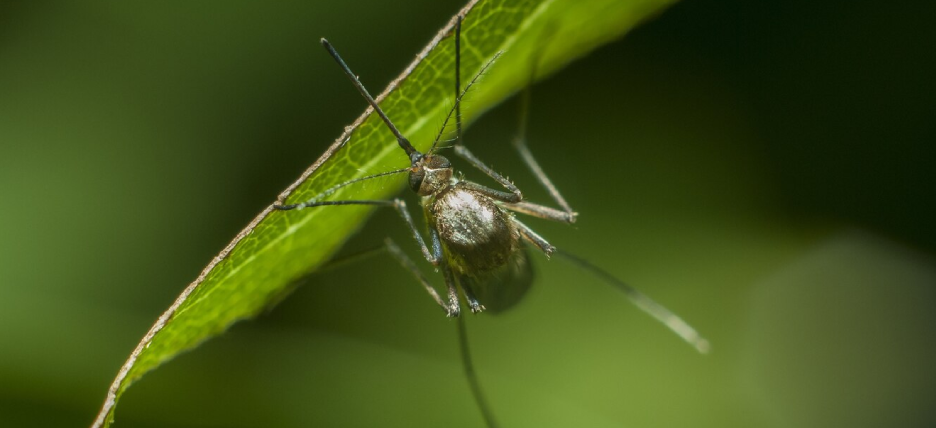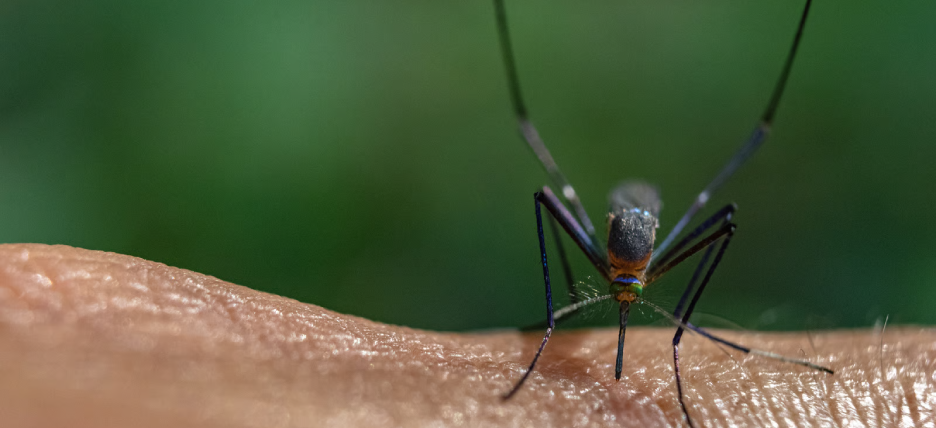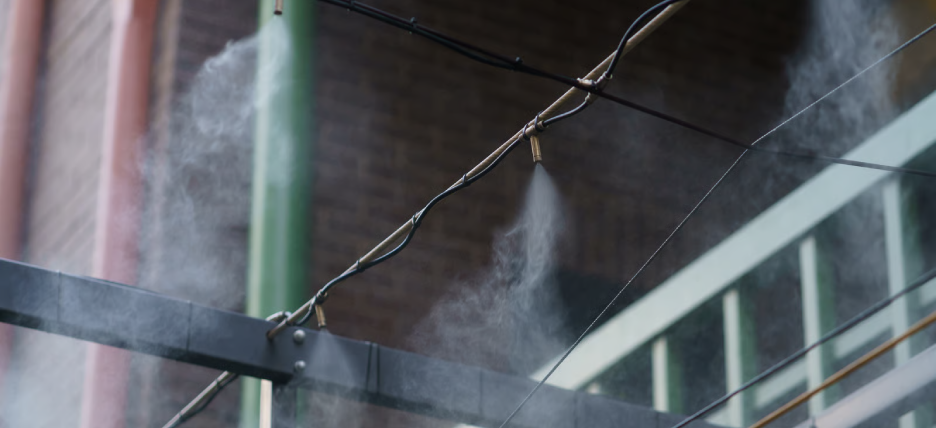

When mosquitoes show up in one yard, they rarely stay there. That is why community-wide planning matters. For Austin HOAs, neighborhood associations, apartment communities, and property managers, mosquito control in Austin is most effective when more people are doing the right small things at the right time.
Austin Public Health says mosquito season in Austin runs from May through November, with breeding picking up in warmer and wetter months, which is why community planning works best before the season gets rolling (Austin Public Health mosquito toolkit).
We provide expert mosquito control across Austin, Dripping Springs, Bee Cave, Lakeway, Round Rock, Buda, and Kyle. Protect your home today!
Why neighborhood-level action works better
A single resident can dump a bucket, clean a birdbath, or clear a clogged drain. That helps. But shared spaces, drainage edges, courtyards, dog runs, breezeways, storm drains, and overflow spots can keep the problem going if the whole community is not on the same page.
The Centers for Disease Control and Prevention explains that mosquito control programs work best when they use more than one method instead of leaning on one spray visit, including surveillance, egg-laying site removal, larval control, adult control, follow-up checks, and public education (CDC mosquito control programs).
That approach fits Austin neighborhoods well because HOAs and property teams usually manage common areas, while residents control patios, balconies, yards, and small containers around the home.
What a typical community mosquito program includes
A good program does not have to be fancy. It just needs to be steady.
1. Routine inspections
Walk the property on a simple schedule during mosquito season. Look at planters, drains, trash areas, pool equipment pads, playground edges, shaded courtyards, roof drains, and anywhere water can sit after rain.
2. Standing-water cleanup
This is the bread and butter of mosquito reduction. Empty what can be emptied. Clean what can be cleaned. Fix what keeps holding water.
For single-family neighborhoods, that may mean gutters, flowerpot saucers, toys, tarps, birdbaths, and low spots in the yard. For apartments and multi-family communities, it often means breezeways, dumpster pads, outdoor storage areas, common patios, and drainage trouble spots.
3. Larval control in places that cannot be drained
Some water sources cannot just be dumped out. In those cases, treatment may make sense as part of a larger plan.
The EPA says successful mosquito control uses an integrated approach built on prevention, pest reduction, removing conditions that lead to infestations, surveillance, and resident education, not just one control tactic by itself (EPA integrated mosquito control approach).
4. Resident communication
Most neighborhood programs rise or fall on communication. Residents need short reminders they can act on right away.
Good messages usually answer three questions:
- What should I check this week?
- What should I report?
- Who handles common-area issues?
5. Follow-through
One email in spring is not enough. Mosquito pressure changes after rain, irrigation issues, and heat waves. Communities that keep the message going tend to get better participation.
Austin-specific issues to plan for
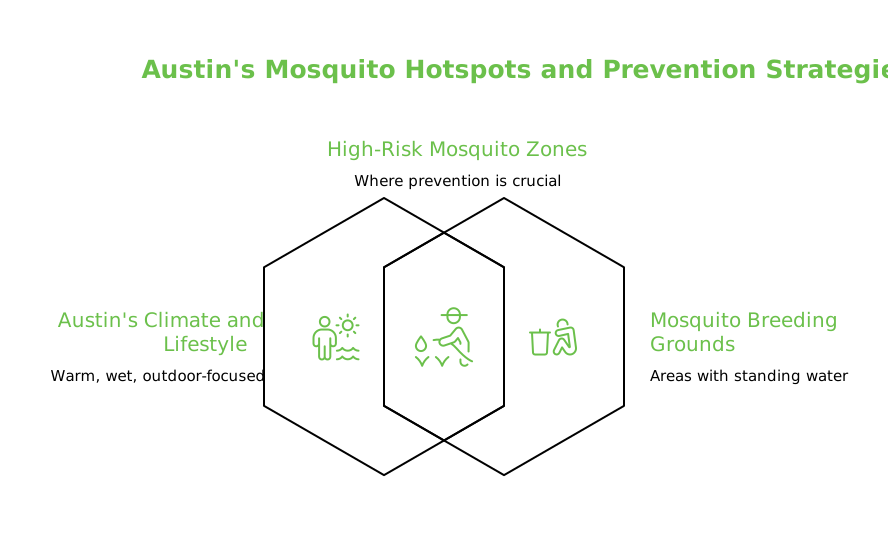
Austin communities deal with long warm stretches, rain bursts, and lots of outdoor living. That means shared spaces can turn into mosquito hotspots fast.
The Texas Department of State Health Services notes that West Nile disease is more common in warmer months and that the best way to cut risk is to prevent mosquito bites and reduce mosquito activity around people (Texas DSHS West Nile guidance).
For HOAs and property teams, that means paying extra attention to:
- pool areas and fences
- dog parks and pet stations
- retention and drainage areas
- outdoor amenity decks
- irrigation leaks
- trash and bulk-item zones
- patios and balconies with containers that hold water
Communication tips that get residents to pitch in
Keep it short. Keep it plain. Keep saying the same few things.
Try messages like:
- Check your patio, yard, or balcony for water every week.
- Report recurring puddles, clogged drains, or irrigation leaks.
- Empty small containers after rain.
- Tell management about mosquito pressure in shared spaces.
The World Health Organization recommends integrated vector management, which is a coordinated approach that uses resources wisely and brings together surveillance, planning, and action across groups rather than leaving the job to one person or one tactic (WHO integrated vector management).
That is a fancy way of saying this: when boards, managers, maintenance teams, and residents all know their part, mosquito plans work better.
Common mistakes that can drag a program down
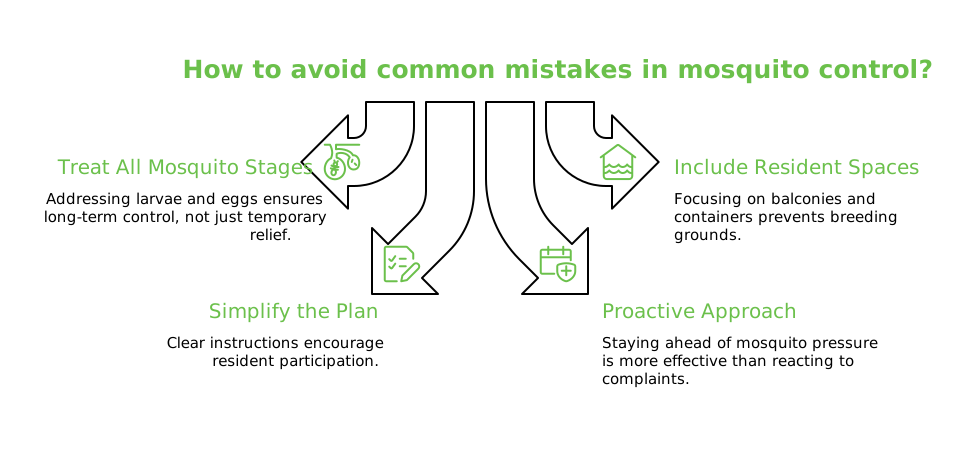
Treating only the adult mosquitoes
Adult treatment can help, but it is rarely the whole answer.
Ignoring resident spaces
A spotless clubhouse will not solve much if balconies, patios, and backyard containers are full of standing water.
Making the plan too complicated
If residents need a training manual to help, the message is too long.
Waiting until complaints pile up
It is easier to stay ahead of mosquito pressure than to play catch-up once everyone is already swatting.
A simple weekly checklist for HOAs, neighborhoods, and apartments
Use this during Austin mosquito season:
| Area | What to check |
|---|---|
| Common areas | Planters, drains, low spots, dog stations, trash zones |
| Pool zone | Deck drains, equipment pads, stored items, shaded corners |
| Residential spaces | Buckets, toys, flowerpot saucers, tarps, birdbaths |
| Buildings | Gutters, roof drains, breezeways, utility areas |
| Grounds | Irrigation leaks, drainage edges, stormwater trouble spots |
See what our happy customers are saying! Read real reviews and discover why homeowners trust us.
Meet BrockStar Mosquito Control in Austin
Want to keep this educational page practical, too? BrockStar Mosquito Control in Austin helps local neighborhoods, HOAs, and multi-family communities build cleaner, easier mosquito reduction plans that fit the property and the season. We keep it local, keep it neighbor-friendly, and help communities tackle the spots that keep biting pressure hanging around.
If your board, property team, or neighborhood group wants local help sorting through common areas, resident communication, and seasonal mosquito pressure, BrockStar is a hometown Austin team worth a look.
FAQ
What does an HOA mosquito control program usually include?
A solid HOA mosquito program usually includes routine inspections, standing-water cleanup, resident reminders, and treatment where it makes sense. In plain terms, the goal is to catch breeding spots early and keep common areas and resident spaces working together.
How often should a neighborhood check for standing water in Austin?
During mosquito season, a weekly check is a smart rule of thumb for common areas and resident spaces. After heavy rain or irrigation issues, it also helps to do an extra walk-through before small water pockets have time to hang around.
Do apartment and multi-family communities need a different mosquito plan?
Yes, a little. Multi-family properties have shared spaces that single-family neighborhoods may not, such as breezeways, dumpster pads, courtyards, and amenity decks, so inspections need to cover those areas on purpose.
Can one property fix a mosquito problem on its own?
It can help, but it usually will not solve the whole issue when mosquitoes are breeding nearby in shared or neighboring spaces. That is why community-wide action tends to work better than scattered one-off efforts.
When should a community call in professional mosquito control?
A community should think about professional help when standing water keeps coming back, complaints keep rising, or common areas are too large or complex to manage with cleanup alone. Professional support can also help when a board or property team wants a more organized seasonal plan.