We provide expert mosquito control across Austin, Dripping Springs, Bee Cave, Lakeway, Round Rock, Buda, and Kyle. Protect your home today!
Why water features attract mosquitoes
Mosquitoes do not need a giant pond or a green, swampy mess. They just need water that sits long enough for their young stages to grow. That is why water features can become trouble spots even when they look clean from a few feet away.
The The CDC explains that mosquitoes lay eggs in standing water and that places like rain barrels, fountains, non-chlorinated pools, and pool covers that collect water can all become treatment sites. In plain English, that means the problem is not just the main body of water. It can be the skimmer, the pool cover, the catch basin near the pump, or the little low spot where water settles after a storm.
The biggest trouble spots to check first
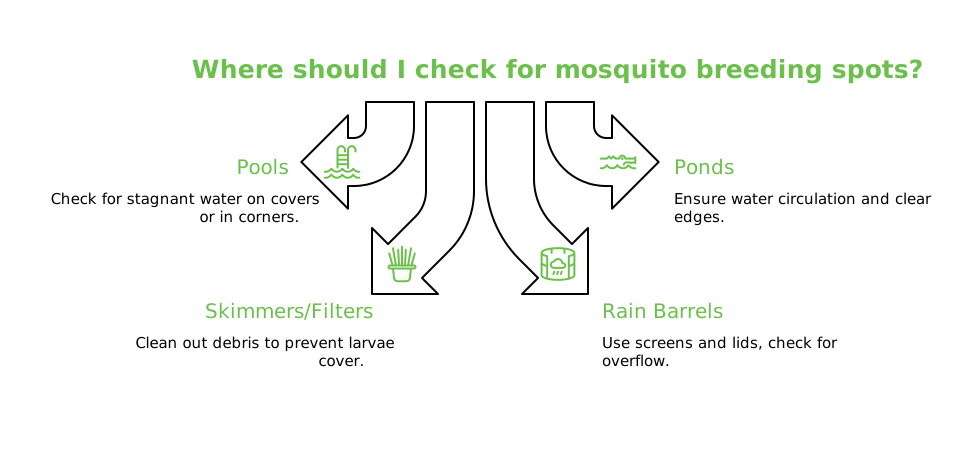
If you want to get ahead of the problem, start with the places mosquitoes like most.
Pools and pool covers
A well-kept pool is less inviting than water that has lost circulation or sanitizer. But even a cared-for pool can have a hidden issue if water sits on top of the cover or collects in neglected corners.
Ponds and decorative fountains
Ponds are beautiful, but shallow edges, clogged pumps, and thick plant growth can slow the water down. Fountains can help, but only when they keep water moving through the whole feature instead of one small section.
Skimmers, filters, and hidden catch areas
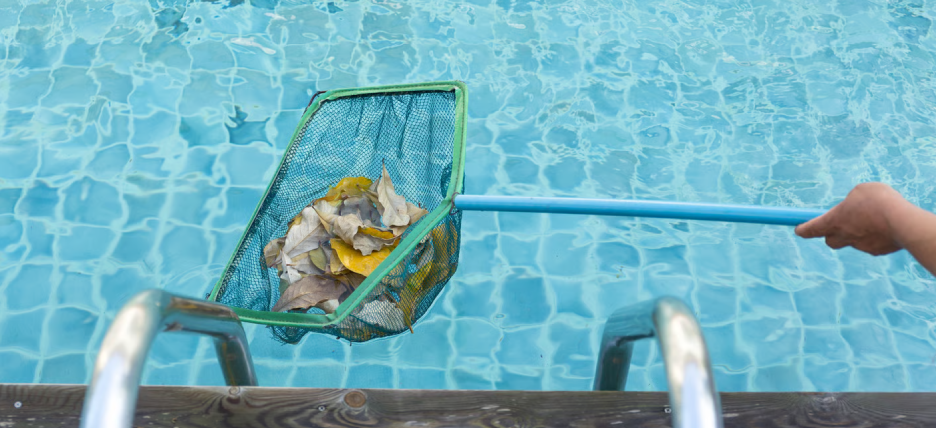
These are easy to miss because they are not the part you look at every day. A basket full of leaves or a pocket of water that barely moves can give mosquito larvae cover.
Rain barrels and overflow spots
Rain barrels are useful in Austin, but they need screens, tight lids, and routine checks. Overflow water around the base can also become a breeding pocket after rain.
How to make water features less inviting
The good news is that most mosquito trouble around water features comes down to a few fixable issues.
UC Agriculture and Natural Resources says mosquito problems in ponds, fountains, and water gardens are reduced by keeping water circulating, clearing debris, and managing plant growth so larvae have fewer protected places to develop. That gives Austin property owners a simple game plan:
- Keep pumps, waterfalls, and fountains running as designed.
- Fix dead spots where water barely moves.
- Scoop out leaves and sludge before they build up.
- Trim back overgrown plants around pond edges.
- Check skimmers, covers, and basins after storms.
Think of it this way: moving, clean water is harder for mosquitoes to use. Still, dirty water is easier.
When larva control makes sense
Sometimes you cannot drain the water, and you should not have to rip out a feature just to enjoy your property. In those cases, targeted larva control can make sense.
Texas Health and Human Services advises Texans to empty standing water weekly, screen rain barrels, keep pools free of debris, and use mosquito dunks with larvicide for water that cannot be emptied or covered. That is a practical fit for places like rain barrels, ornamental ponds, and other water-holding spots that need to stay in service.
The key is to use products exactly as labeled for that site. More is not better, and random treatment is not a plan. If you are dealing with several water features, shared outdoor areas, or a mosquito issue that keeps coming back, this is where a trained mosquito control team can save you a lot of guesswork.
Extra care for self-contained ponds
Some property owners ask about fish as a natural helper in ornamental ponds. That can be useful in the right setting, but it is not something to do without a little care.
Texas A&M School IPM says mosquito fish should be used selectively in self-contained water bodies that are not fed or drained by natural waterways. In other words, a closed ornamental pond is one thing. A feature tied to a creek, drainage path, or natural waterway is another.
For many Austin properties, the smartest move is still the basics: keep the water moving, keep debris out, and use labeled larva control where it fits. Fish can help in some closed systems, but they are not a shortcut for poor upkeep.
See what our happy customers are saying! Read real reviews and discover why homeowners trust us.
What this looks like for Austin homes and businesses
For homeowners, the usual trouble spots are backyard ponds, decorative fountains, pool covers, kiddie pools, and rain barrels. For commercial properties, it is often entry fountains, apartment amenities, hotel pools, patio features, and water that gathers around drains or landscaping after rain.
If people are getting bitten near the same part of the property again and again, there is usually a source nearby. That source is not always obvious from the patio or walkway. It may be tucked inside a skimmer, hidden under a cover, or sitting in an overflow area no one checks during routine cleanup.
That is where a local mosquito control company can help. BrockStar can lightly step in here with inspection and treatment support for Austin properties that have stubborn mosquito pressure around water features. The goal is simple: find the source, treat the right spots, and help you get back to enjoying the space.
Book our Mosquito Control in Austin today!
A simple plan that works
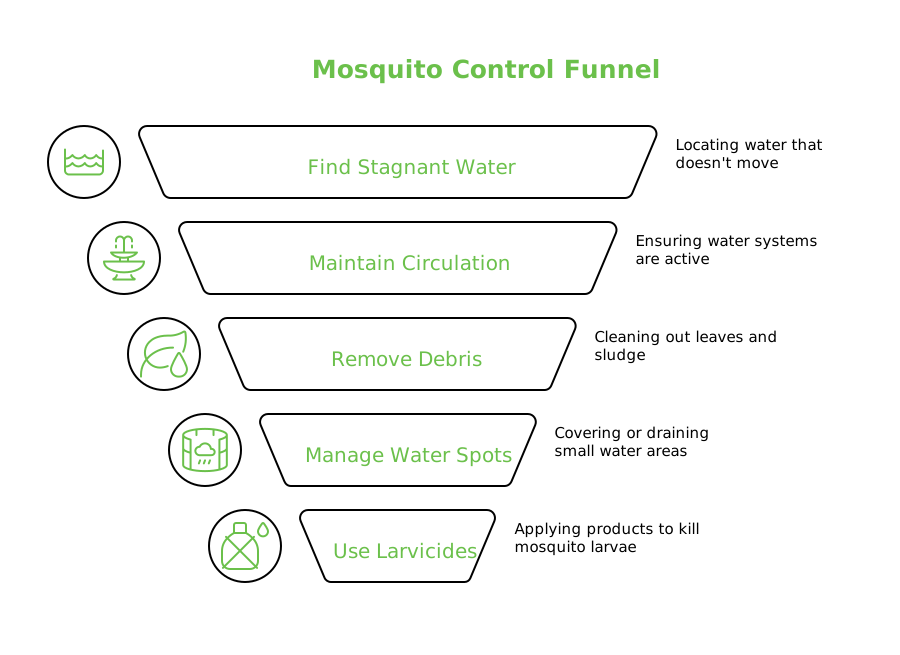
If you want the short version, here it is:
- Look for water that sits, not just water you can see.
- Keep pumps, fountains, and circulation systems working.
- Clean out leaves, sludge, and thick plant buildup.
- Screen, cover, or drain small water-holding spots when you can.
- Use labeled larva-control products where water must stay.
- Bring in a pro when the issue keeps coming back.
That plan works for a backyard fountain, a decorative pond, a rain barrel setup, or a multi-building property with several water features. Around Austin, where mosquito season can feel long, staying ahead of the water is the best way to stay ahead of the bites.
FAQ
1. Can mosquitoes breed in a pool that looks clean?
Yes. A pool can still have mosquito activity if water collects on the cover, the skimmer holds still water, or circulation is weak in hidden spots. That is why clean-looking water is not always the whole story.
2. Do fountains keep mosquitoes away?
They can help, but only if they keep water moving through the feature. If the pump is weak, clogged, or only moving one section, mosquitoes may still find calm pockets to use.
3. What can I use in a pond to stop mosquito larvae?
For ponds and other water features that cannot be drained, labeled larva-control products may be a good fit. The right choice depends on the kind of feature, how the water moves, and whether the area is a closed system.
4. Are rain barrels a mosquito problem in Austin?
They can be if they are left open, unscreened, or allowed to overflow and hold water nearby. Tight screens, lids, and routine checks go a long way.
5. When should I call a mosquito control company for a water feature issue?
Call when mosquitoes keep coming back even after cleanup, when the source is hard to find, or when the property has several water features that need a tighter plan. That is especially helpful for Austin businesses and larger properties where outdoor comfort matters every day.