
In Austin, one yard can be a play zone, a dog zone, and a bee stop all before dinner. That is why many families and business owners look for pest control in Austin that is both effective and thoughtful. Safe pest control is not just about knocking pests down. It is about choosing the right treatment, putting it in the right spot, and keeping people, animals, and pollinators out of the line of fire.
For families and business owners, the goal is simple. You want pest relief without turning your home, patio, office entry, or flower beds into a worry zone. A smart service plan can lower contact risk. It starts with a careful inspection, a clear treatment plan, and a technician who will tell you where the product is going and when it is okay to return.
We provide expert mosquito control across Austin, Dripping Springs, Bee Cave, Lakeway, Round Rock, Buda, and Kyle. Protect your home today!
What “safe pest control” really means
Safe pest control does not mean guessing or spraying every corner just because it is there. It means matching the treatment to the pest and the site. In a home with toddlers, dogs, or backyard pollinator plants, that usually means more care with placement, timing, and access after service.
A good pro should look at where pests are hiding, where people and pets spend time, and where pollinators feed. That is the difference between a thoughtful plan and a one-size-fits-all visit.
How pros lower exposure for kids and pets
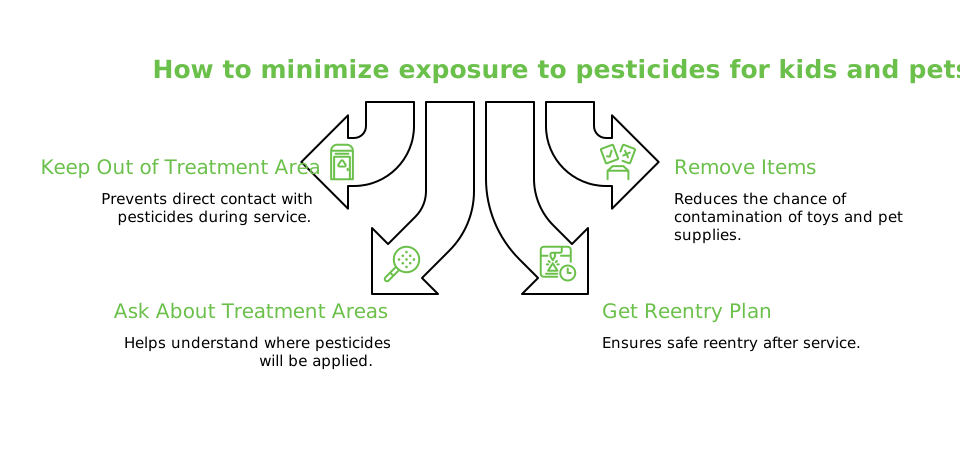
Children are more likely to touch floors, grass, toys, and pet fur, and the AAP guidance. That is one reason service timing matters so much.
For pets, prep work matters just as much as the product. The NPIC pet safety advice. That same common-sense rule helps with kids too: fewer treated surfaces touched right after service means less chance of unwanted contact.
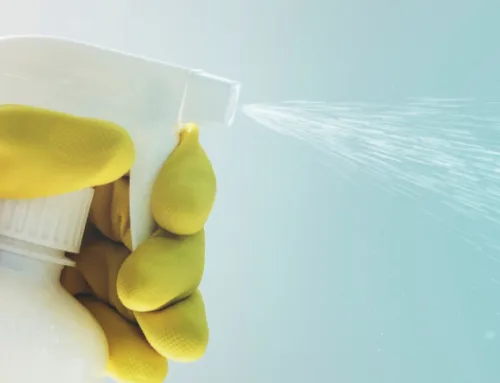
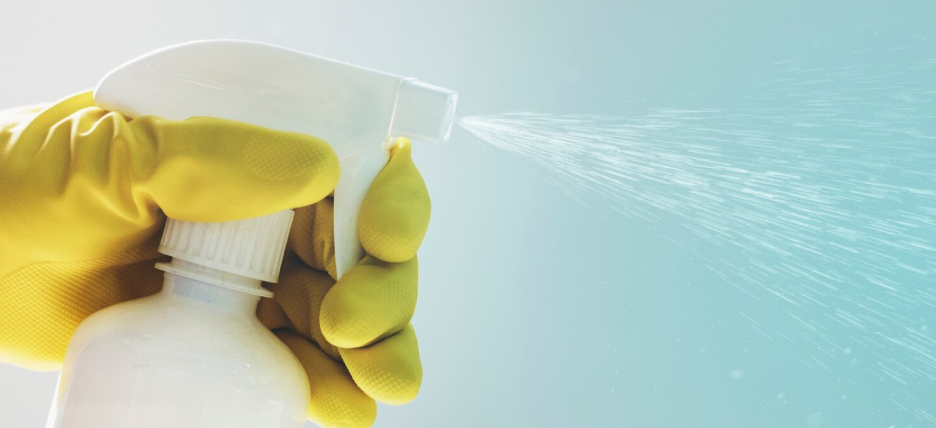
Here is what that looks like when a pro is treating a home or business:
- Keep children, pets, and staff out of the treatment area during service.
- Move bowls, chew toys, outdoor toys, and loose pet items before the visit.
- Ask whether the treatment will go into cracks, voids, entry points, or broad surface areas.
- Get a clear reentry plan before the technician leaves.
How to protect bees, butterflies, and other pollinators
Pollinator safety matters in Austin. The Austin’s Bee City program. That local piece matters because many Austin landscapes mix pest-prone shrubs, flowering plants, pet areas, and outdoor seating in the same space.
Timing is one of the biggest ways to lower harm to bees and butterflies. A Texas A&M AgriLife Extension guidance. For properties with flowering beds, native plants, or butterfly-friendly landscaping, your pest plan should account for bloom stage, wind, drift, and where pollinators are active.
A careful service plan should separate mosquito resting areas, wall lines, and entry points from blooms, herb patches, and high-traffic pollinator spots. If the property has heavy mosquito pressure, the answer should not be “spray everything and hope for the best.”
Read the label like it matters, because it does
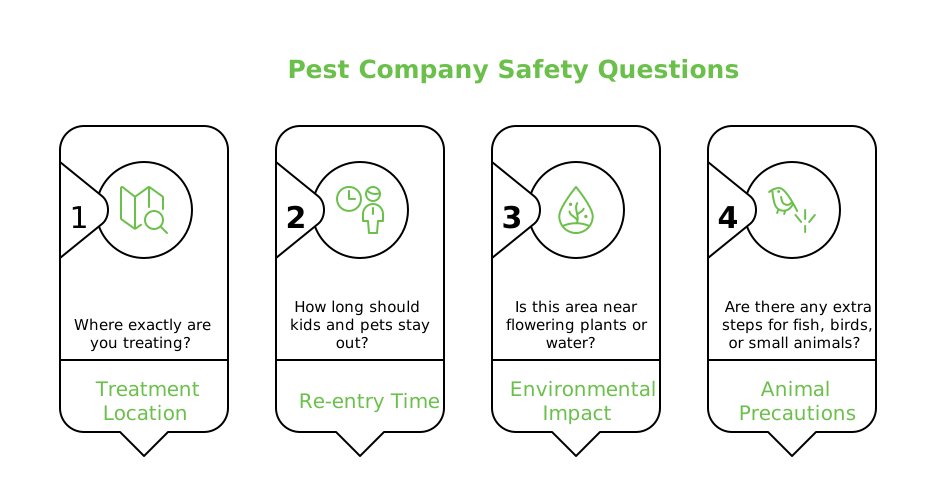
No matter who applies the product, the label is the rulebook. The EPA label guidance.
If you only ask your pest company a few safety questions, ask these:
- Where exactly are you treating?
- How long should kids and pets stay out?
- Is this area near flowering plants or water?
- Are there any extra steps for fish, birds, or small animals?
Those questions are not pushy. They are part of responsible service.
Best fit for sensitive homes and businesses
Some properties need extra planning. Think homes with babies, crawling kids, cats that rub every baseboard, dogs that roll in the grass, or backyards built around pollinator plants. On the business side, think pet-friendly offices, daycares, apartment common areas, restaurants with patio plants, or storefronts with heavy foot traffic.
In those cases, a lower-contact plan usually looks like this:
| Property type | Better service questions to ask | Why it helps |
|---|---|---|
| Home with kids | Can you keep treatment away from play areas and toys? | Cuts down on hand-to-mouth contact |
| Home with pets | Will bowls, bedding, and pet paths stay clear? | Lowers contact and licking risk |
| Pollinator-friendly yard | Will you avoid blooms and treat later in the day? | Helps protect bees and butterflies |
| Office or retail space | Can service happen after hours or in zones? | Keeps staff and visitors out of fresh treatment |
| Multi-family property | How will residents be told about timing and reentry? | Makes the plan easier to follow |
The best companies will walk you through the plan in plain English. No smoke. No mystery. Just clear steps and follow-through.
See what our happy customers are saying! Read real reviews and discover why homeowners trust us.
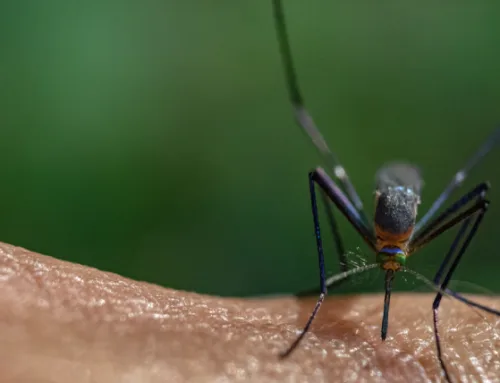
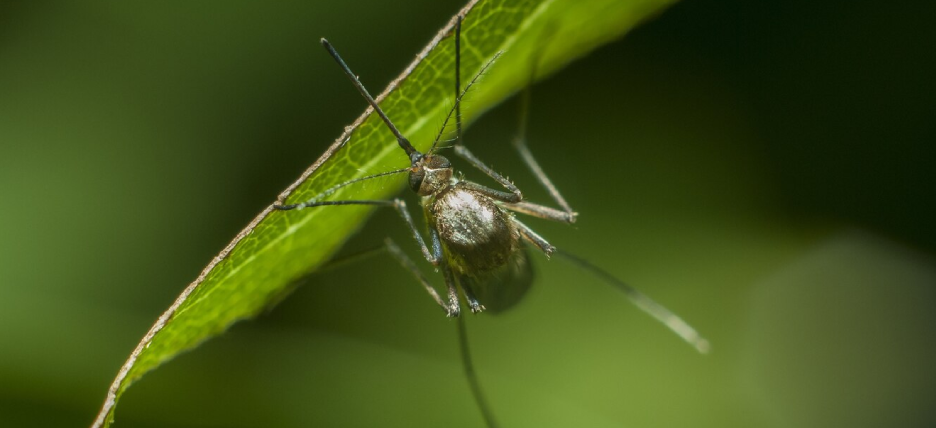
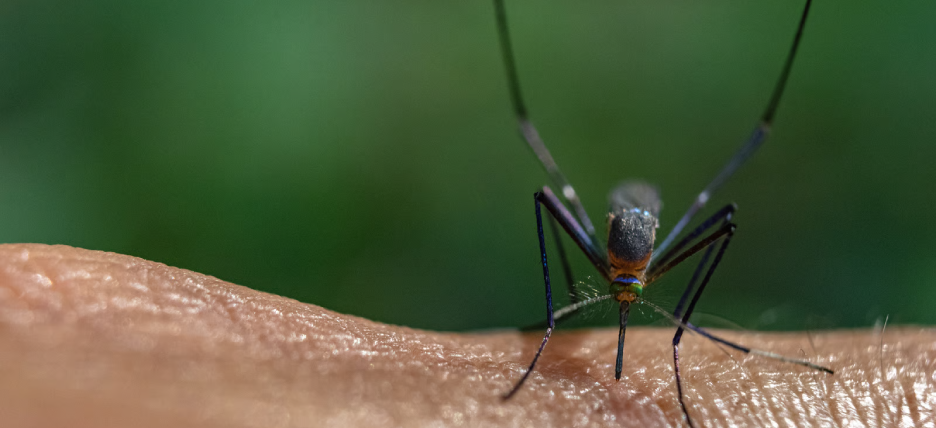
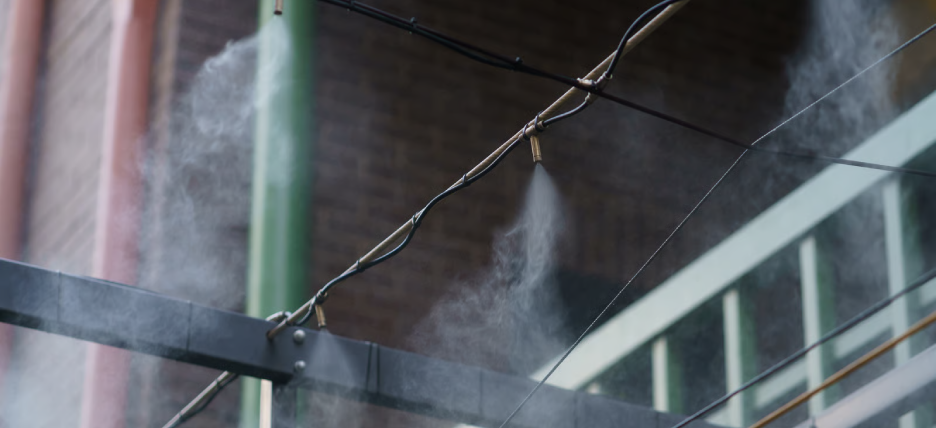
Need help with mosquito pressure around patios, yards, or outdoor gathering spots?
If mosquitoes are making it hard to enjoy your property, take a look at BrockStar’s mosquito control in Austin to see how a professional plan can be built around outdoor use, timing, and property layout.
FAQ
1. Is pest control a bad fit for homes with kids or pets?
Not by default. The better question is whether the treatment plan is matched to the property, the pest, and the people or animals using the space. For homes with kids or pets, careful placement, clear reentry instructions, and good communication make a big difference.
2. Can pollinator-friendly yards still be treated for pests?
Yes, but the service plan needs more care. Timing, bloom awareness, and staying off flowering plants all matter when bees and butterflies are part of the landscape. A pro should know where pollinators are active before treatment begins.
3. Does BrockStar work with both homes and businesses in Austin?
Yes. We serve both residential and commercial properties in Austin and surrounding areas, which makes this kind of safety planning relevant for families, offices, retail sites, and multi-family spaces.
4. Does BrockStar handle mosquito service in Austin?
Yes. We offer mosquito control as one of our core service lines, so outdoor biting pressure is already part of our service mix. That matters for households and businesses trying to protect patios, yards, entryways, and gathering areas.
5. What should I do before my pest control appointment?
Pick up toys, pet items, bowls, and anything else that sits in the treatment zone. Then ask where the product will go, how long the area should stay clear, and whether there are special steps for pets, fish, birds, or flowering plants.