If mosquitoes are taking over your yard, the fix usually starts with the yard itself.
A lot of people assume mosquito control in Austin is all about spraying. Sometimes spray is part of the plan. But lasting results usually start with a closer look at what is drawing mosquitoes in and helping them stick around. In Austin, that often means standing water, thick shade, damp corners, clogged gutters, and irrigation that keeps the yard wetter than it needs to be.
That is the idea behind source reduction. You make the property less attractive to mosquitoes before they turn your patio into enemy territory.
We provide expert mosquito control across Austin, Dripping Springs, Bee Cave, Lakeway, Round Rock, Buda, and Kyle. Protect your home today!
Why yard conditions matter so much
Mosquitoes do not need much to settle in. The City of Austin mosquito guidance warns that mosquitoes can breed in very small amounts of standing water around homes, which is one reason backyard problems can build fast after rain.
It is not just the water either. Once mosquitoes hatch, they look for cool, shaded places to rest during the day. That is why overgrown shrubs, wet mulch, leaf buildup, and cluttered corners can make a yard feel like a safe house for them.
So if your yard stays damp and shady, you may be making life pretty easy for mosquitoes without realizing it.
Start with the real problem: standing water
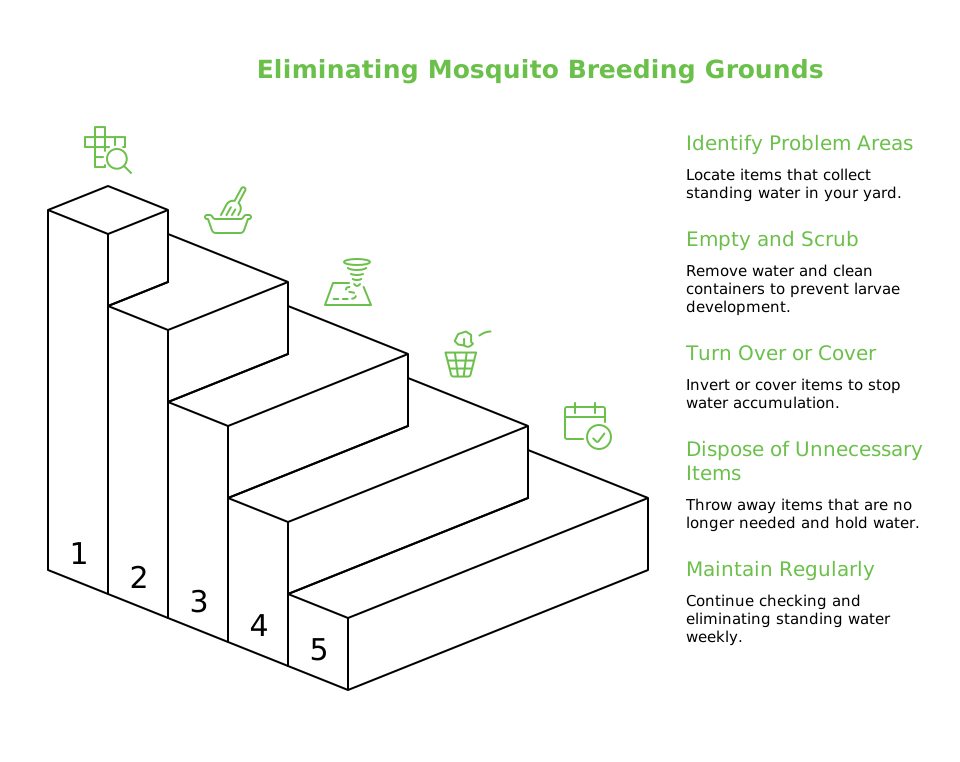
If you want to make a yard less inviting to mosquitoes, this is the first move.
The CDC home mosquito control page recommends emptying, scrubbing, turning over, covering, or throwing out items that hold water at least once a week. That means looking past the obvious stuff and checking the little things too.
Common problem spots include:
- buckets
- flowerpot saucers
- toys
- birdbaths
- tarps
- trash can lids
- wheelbarrows
- clogged gutters
- plant trays
- low spots in the yard
You do not need a swamp to have a mosquito issue. Sometimes one forgotten item is all it takes to keep the cycle going.
Cover water that has to stay
Some water sources are part of the property. Maybe you have a rain barrel, a cistern, or a decorative feature that cannot just be dumped out and forgotten.
In those cases, the goal is to keep mosquitoes from getting access. The EPA rain barrel guidance says rain barrels should be tightly sealed or screened so mosquitoes cannot get in and lay eggs.
That same logic applies to other stored water around the house. If it has to stay, it needs to be covered the right way.
Trim back the places adult mosquitoes like to hide
Standing water helps mosquitoes start. Dense, damp cover helps them stay.
The Texas A&M AgriLife mosquito guide explains that adult mosquitoes often rest in shady, protected areas during the day. That is why trimming vegetation near the home can make a difference.
This does not mean stripping your yard bare. It means reducing the kind of dense, still, humid cover that gives mosquitoes a comfortable daytime hangout.
Helpful yard changes can include:
- trimming overgrown shrubs
- cutting back weeds along fences
- clearing heavy leaf buildup
- opening airflow around patios
- reducing clutter in damp corners
A yard with a little more sun and a little more airflow is usually a lot less inviting than a cool, wet tangle of plants and stacked-up stuff.
Fix drainage problems before they become mosquito problems
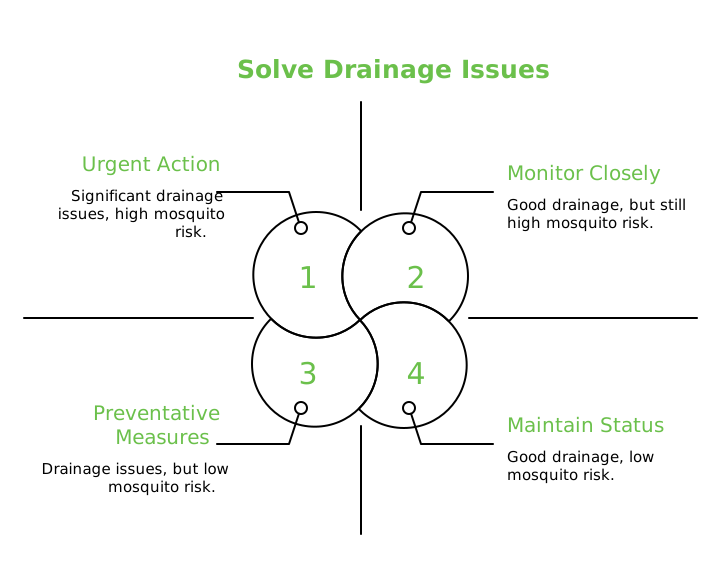
Some yards collect water in the same places over and over. If that is happening after rain or irrigation, the issue may not be cleanup. It may be drainage.
The CDC integrated mosquito management guidance includes habitat modification like regrading and drainage correction as part of long-term mosquito reduction.
That matters for Austin homeowners because repeat pooling can happen in places that are easy to miss when the yard looks dry most of the week. Watch what happens the day after a storm or the morning after irrigation. If water is still sitting there, that area is telling on itself.
Check for:
- low spots that puddle after watering
- gutters that overflow near the foundation
- blocked drains
- splash areas that stay muddy
- compacted soil that holds water too long
If the same spot stays wet every week, it is not just annoying. It is feeding the problem.
Irrigation can quietly make things worse
A lot of Austin mosquito issues are not caused by too little yard care. They are caused by the wrong kind.
The UF/IFAS mosquito prevention guidance recommends reducing places where water collects and managing the yard so it does not stay unnecessarily wet. That lines up with a big homeowner mistake: overwatering shaded areas that already dry slowly.
If parts of the yard stay soggy, your sprinkler schedule may be helping mosquitoes more than your grass. You do not need a full irrigation overhaul to improve things. Sometimes you just need to notice which zones hold water, which ones stay damp under shrubs, and whether your current watering pattern is more than the yard really needs.
What yard mosquito-proofing can and cannot do
These yard changes matter. They can lower mosquito pressure, reduce breeding, and make your outdoor spaces more usable.
But they are not always the whole answer.
Some mosquitoes can come in from neighboring yards, greenbelts, drainage areas, or shared water sources. If your property has heavy shade, repeat moisture problems, or pressure from nearby breeding spots, habitat reduction alone may only get you part of the way there.
That is where a lot of homeowners get frustrated. They do several things right, and the yard is still rough at dusk.
That does not mean the work was pointless. It means the property may need more than prevention steps.
When it is time to call a professional
If you have cleaned up standing water, trimmed the trouble spots, watched your irrigation, and the yard still feels unusable, it may be time for a stronger plan.
A professional mosquito service can inspect the property, look for missed breeding areas, identify adult resting zones, and build a treatment plan around how you actually use the yard. That matters when the patio, pool area, dog run, or play space keeps getting overrun.
And let’s be honest. Most homeowners are not trying to become mosquito detectives. They just want to enjoy the backyard again.
That is where BrockStar can help. Mosquito control is one of BrockStar’s core service lines for Austin-area properties, which makes this a natural next step when yard changes are not doing enough.
See what our happy customers are saying! Read real reviews and discover why homeowners trust us.
Need backup when yard fixes are not enough?
If mosquitoes are still making your yard hard to use, take a look at BrockStar’s mosquito control in Austin to see how a professional plan can help reduce pressure around patios, play areas, and outdoor living spaces.
FAQ
1. What is the fastest way to make a yard less attractive to mosquitoes?
The fastest first step is removing standing water, because that is where the mosquito life cycle begins. If you stop giving them places to breed, you can reduce pressure before adult mosquitoes build up.
2. How often should I check for standing water in Austin?
At least once a week is a smart rhythm, especially during warmer months and after rain. It also helps to check the day after irrigation so you can catch problem spots that keep pooling.
3. Does cutting grass help with mosquito control?
It can help a little, but grass height alone is usually not the main issue. Dense shrubs, leaf buildup, damp clutter, and shaded resting spots usually matter more than whether the lawn is one notch too tall.
4. Can irrigation settings make a mosquito problem worse?
Yes. If your yard stays wet too long after watering, your irrigation schedule may be helping create better mosquito conditions. Wet soil, puddles, and damp shade can all make the yard more comfortable for them.
5. Does BrockStar offer mosquito control for Austin homeowners?
Yes. We offer mosquito control as one of our core services for Austin-area properties. That makes us a strong option when source reduction helps but does not solve the full problem.