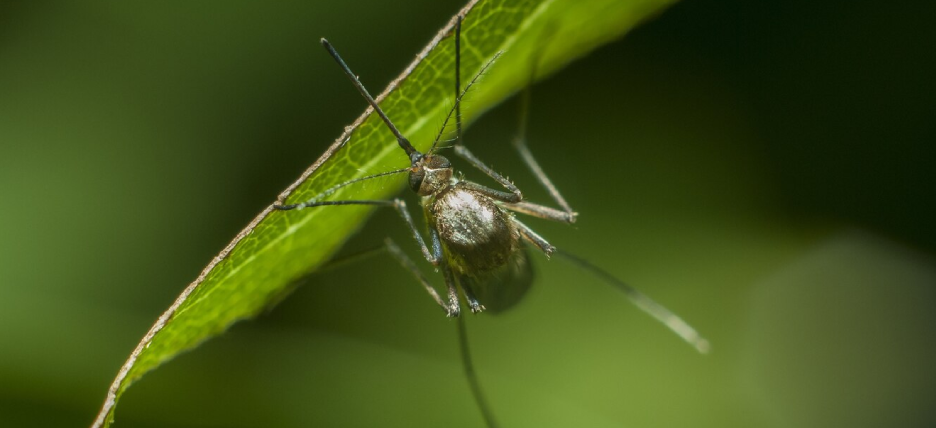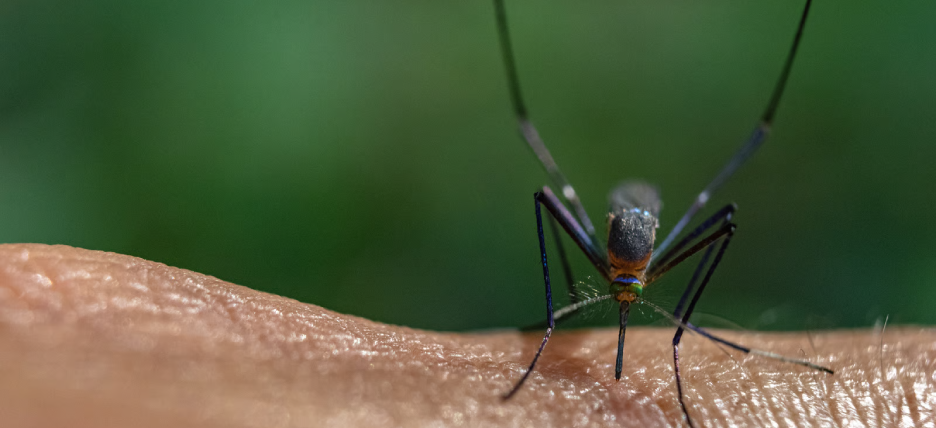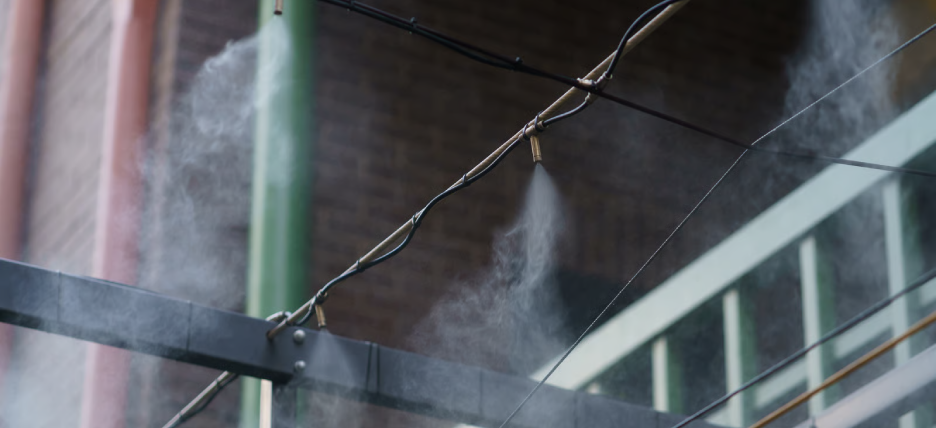
If you’re shopping for a backyard fix, here’s the straight answer: Mosquito Control in Austin usually takes more than plugging in a zapper and calling it a day. In Central Texas, mosquitoes thrive around shade, humidity, and standing water, and the City of Austin says they can show up year-round, with the heaviest activity from May through November in many areas. That means traps can help in the right setup, but they are not a magic button for every yard.
We provide expert mosquito control across Austin, Dripping Springs, Bee Cave, Lakeway, Round Rock, Buda, and Kyle. Protect your home today!
The honest answer: some traps can help, but they won’t do all the heavy lifting
A good trap can lower mosquito pressure in a limited area. That’s the upside. The catch is that even strong trap systems work best when they’re part of a bigger plan that includes draining water, reducing places where mosquitoes rest, and staying consistent over time. A 2023 peer-reviewed review of mosquito mass trapping found that trap programs can reduce mosquito populations within weeks when they’re paired with broader mosquito management, but the evidence is much thinner for saying traps alone reduce disease risk.
How the main trap types work
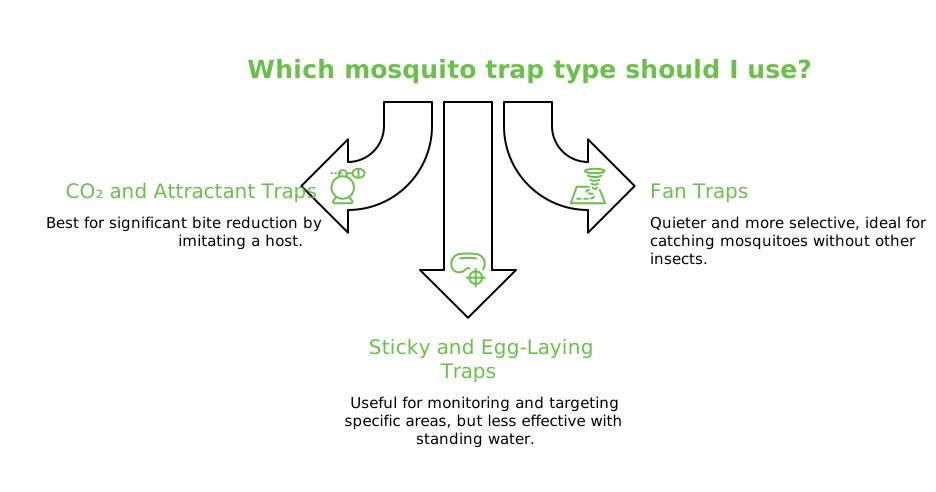
CO₂ and attractant traps
These are the traps most people picture when they think “serious mosquito trap.” They use carbon dioxide, scent lures, heat, or a mix of those signals to imitate a living host. That can pull in host-seeking female mosquitoes better than a simple light-based device, which is why these traps are often the stronger option for homeowners who want real bite reduction instead of a gadget show.
Fan traps
Fan traps pull mosquitoes into a collection chamber after the insect gets close enough to the lure. In plain English, they try to draw mosquitoes in and then keep them from flying back out. They’re usually quieter than old-school zappers and often make more sense when your goal is catching mosquitoes instead of every random flying bug that happens to pass by.
Sticky traps and egg-laying traps
These are more limited, but they can still have a place. Some are used to catch mosquitoes that are searching for a spot to lay eggs, and some work better as monitoring tools than as whole-yard relief. They can be useful around known trouble spots, but they still lose badly when there’s lots of standing water nearby giving mosquitoes fresh places to breed.
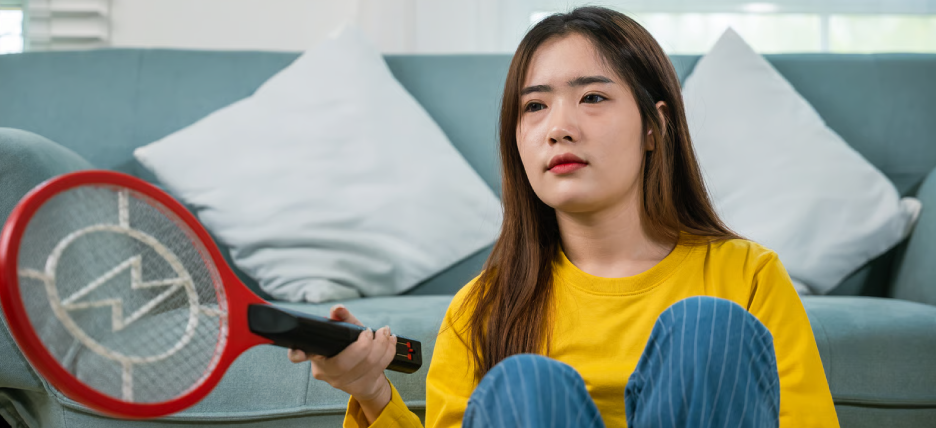
Do electric zappers work on mosquitoes?
Usually not very well. A long-standing CDC public health reference explains that electric high-voltage insect traps, better known as bug zappers, do not provide satisfactory adult mosquito control and kill insects indiscriminately. You can read that guidance in this CDC public health document on mosquito control tools. That means a zapper may look busy at night while doing very little about the mosquitoes that are actually biting you on the patio.
What traps realistically reduce
Here’s the realistic expectation: the better traps may lower the number of biting adults in one part of the yard over time. That is not the same thing as making a property mosquito-free. It is also not the same thing as fixing a breeding problem next door, around a clogged drain, under a deck, or near containers that hold rainwater after a storm.
For many Austin homes and businesses, the real win is lowering pressure enough that outdoor time feels better. That can be meaningful. But if a property has thick landscaping, lots of shaded resting spots, or steady water sources, a trap on its own usually runs out of gas fast.
Why placement matters more than most people think
Where you put a trap matters almost as much as the trap itself.
Put it where mosquitoes rest
The CDC says adult mosquitoes rest in dark, humid areas such as under patio furniture, under carports, and around sheltered outdoor spots. That’s why trap placement near shady edges, dense shrubs, or damp corners often makes more sense than dropping a device right next to the grill. This CDC guide to mosquito control at home also stresses removing standing water first, because stopping new mosquitoes from hatching is still one of the biggest moves you can make.
Don’t pull mosquitoes toward people
A trap set too close to a doorway, seating area, or play space can work against you. You want it near mosquito activity, but not where people are hanging out. Think interception, not invitation.
Use shade and airflow to your advantage
Austin’s mosquito guidance points out that mosquitoes are weak fliers, so fans can help make a sitting area less inviting. You can see that in the City of Austin mosquito prevention guide. That same idea is why breezy spots, exposed sunny corners, and open hardscape areas are usually poor places for a trap.
Common reasons traps disappoint
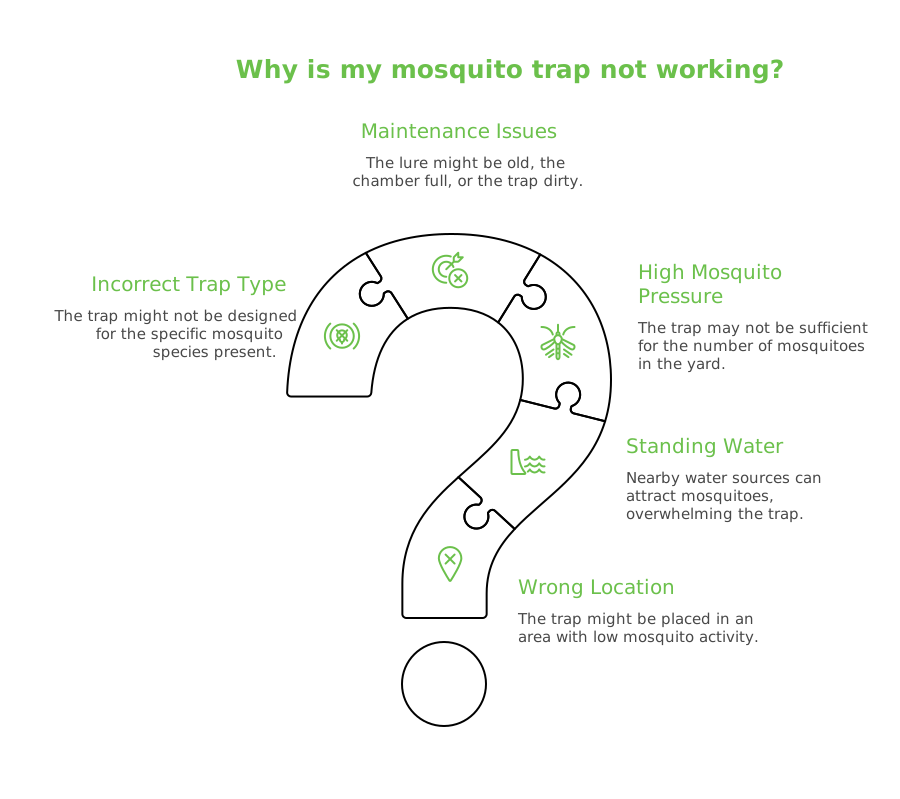
Most trap complaints come down to one of a few issues:
- The trap is in the wrong place.
- There is too much standing water nearby.
- The yard has more mosquito pressure than one device can handle.
- The lure is old, the chamber is full, or maintenance has slipped.
- The trap type does not match the mosquitoes active on that property.
Texas A&M AgriLife makes another key point in its backyard mosquito control guidance: bug zappers attract mosquitoes poorly, while source reduction and targeted control steps matter more for real relief. Their Texas A&M backyard mosquito control publication lines up with what many Austin property owners learn the hard way after trying a plug-in device first.
Traps vs. professional service in Austin
Traps are usually best for people who want one piece of a broader plan. Professional service makes more sense when mosquitoes keep coming back, the yard has dense vegetation, nearby water keeps reloading the problem, or people are still getting bitten after reasonable DIY steps.
That’s where a local inspection helps. Instead of guessing, you get eyes on the actual pressure points: breeding areas, shaded resting zones, drainage trouble, and the spots where mosquitoes are staging before they find people. A good service plan can also adjust with Austin weather, which matters after rain and during the hotter stretch of the year.
See what our happy customers are saying! Read real reviews and discover why homeowners trust us.
When it’s time to call BrockStar
If your trap is running, your zapper is popping, and you still can’t enjoy the yard, it may be time for Mosquito Control in Austin that looks at the whole property instead of one gadget. BrockStar can help identify what’s fueling the pressure and build a plan that fits your home or business. You can start with BrockStar’s Austin mosquito control page to see how local service can help when DIY tools just aren’t cuttin’ it.
FAQ
Are mosquito traps better than electric zappers?
In most cases, yes. Traps built around scent, CO₂, or targeted attractants are generally more useful for mosquito reduction than UV zappers, which often kill lots of non-target insects while missing the main problem.
Where should I place a mosquito trap in my yard?
Put it near shaded, humid spots where mosquitoes rest, but not right beside doors, patios, or seating areas. The goal is to intercept mosquitoes before they reach people, not draw them closer to the party.
How long does it take for a mosquito trap to work?
It depends on the trap, the yard, and the level of mosquito pressure. Some people notice lighter activity within days, but bigger improvements usually take longer when there’s ongoing breeding nearby.
Why am I still getting bitten if the trap is on?
That usually points to placement, maintenance, nearby standing water, or a yard with more mosquito pressure than one unit can handle. A trap can lower numbers without solving the whole problem.
What works best for heavy mosquito pressure around Austin homes?
The best results usually come from layering tactics: remove standing water, reduce resting spots, use the right control tools, and bring in professional help when the yard keeps reloading with mosquitoes. That mix is a whole lot more reliable than trusting one glowing box in the corner.